Tag: brain

  • Habits & Distractions: Why Our Brain Tricks Us to Avoid Discomfort

    Sigmund Freud proposed that everything we do is in pursuit of pleasure and avoidance of pain. However, not every habit we find ourselves in is necessarily pleasurable, and pain is a strong word for the kind of feelings we avoid. Neurologically speaking, we all do things to avoid discomfort.

    Physiologically, this is true. In fact, that is how our body is run instinctively. When the weather becomes too cold, we at least hold ourselves in to keep ourselves warm. When it’s warmer, we fan ourselves. When we are hungry for too long, it gives us discomfort so we find something to eat. If we eat too much, it makes us uncomfortable so we stop eating. This is a homeostatic mechanism.

    The same concept applies to our psychological sensations. When you feel bored, you look for instant gratification, – how many have viewed my snap, my status, my tweet? How many likes? – when you aren’t sure of something, you Google it, when you’re learning and you feel “someway”, you pick up your phone. All these cater for uncomfortable sensations.

    All instinctive human behaviours is spurred to escape discomfort

    Daniel Good

    That’s why people avoid the difficult stuff. That’s why we lose enthusiasm to pursue our resolutions. That’s why we keep postponing the hard part. It’s uncomfortable, even though we know it brings about good results. It will shock you to know what you yourself are willing to do to avoid uncomfortable situations in your own life. Eg. poverty – marrying a rich guy you don’t even like, swearing to never repeat the mistakes of your predecessors, going for black magic, working harder than ever to reach where you thought was impossible.

    The root reason why we become distracted is because we feel internal triggers. Most distraction don’t start outside of us. It starts from within. When we become distracted, it’s simply because we are trying to escape an uncomfortable sensation. Know this and you will forever know how to create new habits and stay consistent. Most times, this uncomfortable sensation is boredom. You’ve been doing the same thing for a long time so your brain is asking you to switch it up.
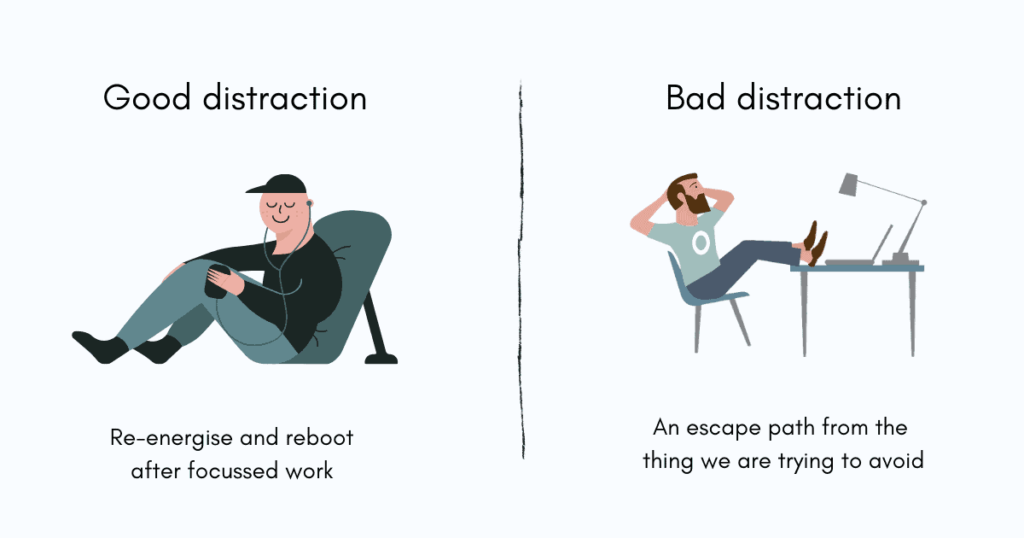
    A study was done by Timothy Wilson where he put some people in a totally empty room one by one for hours with nothing but a button connected to a band on each individual’s arm. Each one was told beforehand that when one presses the button, it gives a painful electric shock. Guess what? 67% of men and 25% of women chose to inflict it on themselves rather than just sit there quietly and think. We are so uncomfortable doing nothing that we just want to feel something. This is by design! We periodically have an instinct to feel bored or uncomfortable to prod us to go do something.

    This is called the desire for more. It pushes human limitations and drives human ambitions. It is so much better to feel sad than to feel nothing. It is much better to attempt and fail rather than not try at all. It is better to be part of something bigger than ourselves than to lack purpose. It has been wired into our physiology. Therefore, to create better habits is NOT to not want, to not crave, to not desire. Attacking these sensations is attacking our fundamental instincts. The answer is to rather channel these internal triggers towards traction rather than distraction.
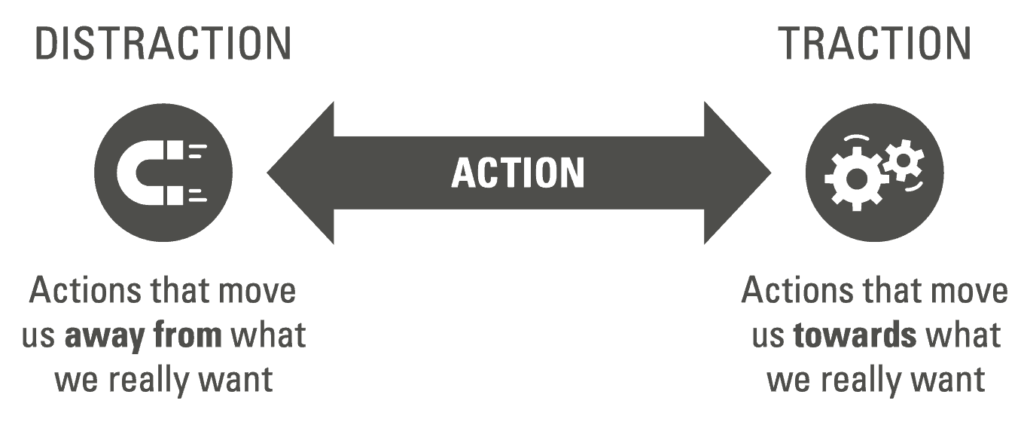
    This is so good it explains several things at the same time: boredom, distractions, habits, purpose, discomfort, zeal, procrastination, instincts. Let’s take our time on this one. It could go in diverse directions. Hope you’ve enjoyed this first part. Please do leave a comment about your experience of this.

    To be continued….

  • Brain vs Mind

    The brain weighs only about 3 pounds, yet it contains about 12 billion cells, each of which is connected to 10,000 other cells, making 120 trillion connections called neural pathways. It generates more electrical impulses in a single day than all of the world’s telephones put together. Yet it uses less energy than a refrigerator light.

    Brain neural pathways
    Neural pathways

    The brain and mind are words that can be used interchangeably and there is nothing wrong with that. A common understanding is that the brain is the physical matter while the mind is the superficial “invisible” component. However, there are certain behaviors we portray that shows that the mind and brain can be on two different pages.

    TRUTH vs FALSEHOOD

    Our brain doesn’t know the difference between truth and falsehood (I say this very loosely). We believe something based on frequency – how many times it is fed to the brain through the senses. Sometimes we convince ourselves that we know something for sure when in actual fact, we believe it because we kept hearing it while we were growing up. Don’t be too scared to doubt the things you thought you already know. It is a sure sign of intelligence. Think for yourself.

    Our brain also rejects new information that is contradictory to the old info that has already established entire neural pathways. Remember our brain works like a machine. It uses the shortest pathway in the thinking process so as to save energy. So it makes sense that it rejects new contradictory info or cause you to “hate” what you don’t understand in order to save energy. Unlearning can cause a chemical change called chemical neuroplasticity, that is why we “hate” it so much.

    Thus, something is true if it’s coherent with what we already know to be true, and something we already know to be true is what has registered in our brain because we kept hearing or seeing it. This is a very powerful yet dangerous understanding; we can be easily manipulated to believe anything to be true. We can also easily convince ourselves to believe anything to be true.

    IMAGINATION vs REALITY

    Our brain also doesn’t know the difference between reality and imagination. That’s why sometimes you think it’s actually happening till you wake up and it’s a dream. This explains why when you remember something, you feel the same emotions you felt back then. A horror movie is not real. Your mind knows but your brain doesn’t. Thus, your brain will release certain hormones – the exact same hormones it would release if it was really happening. Many have realized this and are using it in many ways. Monks can sit in a bowl of fire and not feel pain. Some even trick their brains into thinking they have exercised and the brain will build up the muscles as if they actually exercised.

    In some sense, the brain tricks us every day without us sometimes realizing. Have you ever felt tired to perform a task until you actually did it and outdid yourself? Sometimes getting up from bed can feel so heavy till we actually get up. There is absolutely nothing we can’t do. It’s just that our brain is bound to protect us and keep us in survival mode. In fact, we can bite off our fingers as easily as we bite a carrot but your brain won’t allow it. Due to mirror neurons, our brain can also cause us to feel someone’s pain like it’s actually happening to us. That is why we gush out when we watch someone cut their finger while chopping carrots.

    mirror neurons in your brain but your mind is more powerful

    Our brain causes our body to react to whatever reality we create in our minds. This is the secret of the universe, and I have given it to you for free. What are you going to do with it? Convince yourself that you are a loser or create an entire reality of a conqueror and watch yourself manifest. You can literally do anything you put your mind to. Or you prefer to let your brain dictate your actions? The power is in your mind.

    I love you